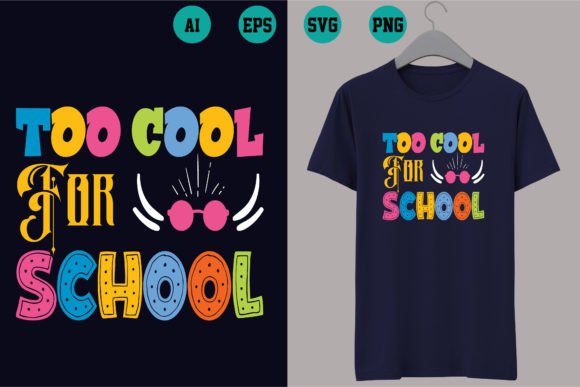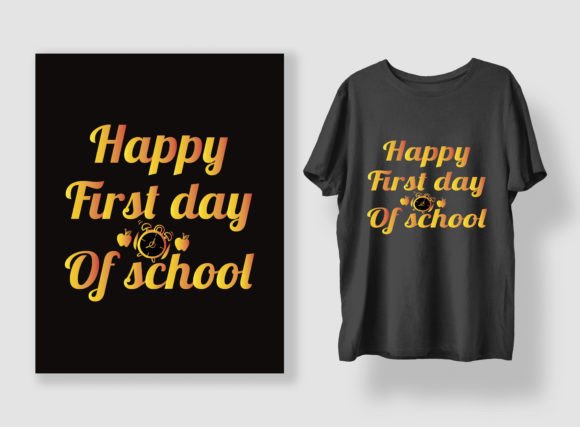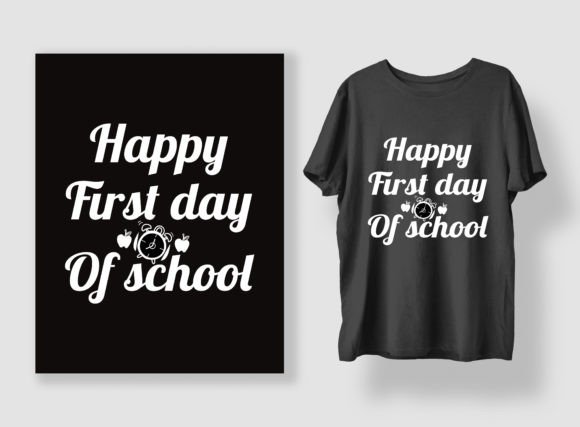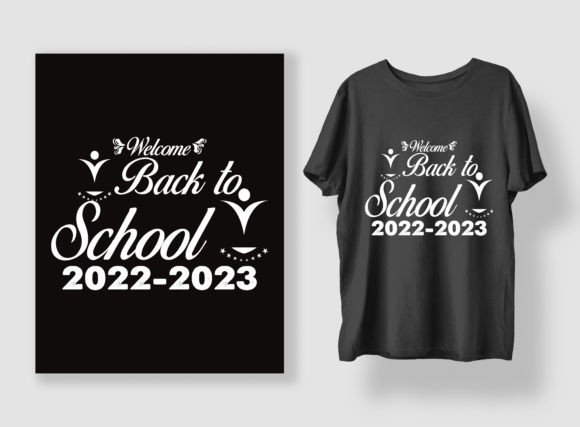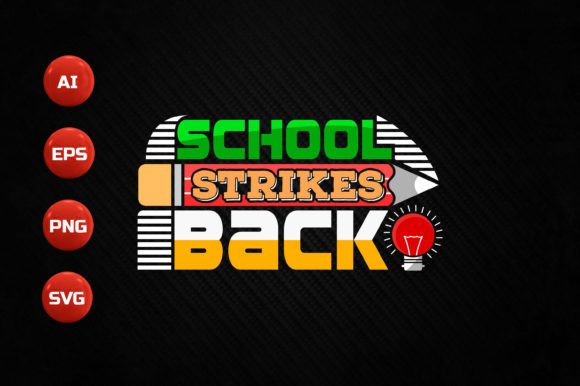
Back to School T-shirt Design 102
A Teacher-Fueled Design That Works—If You Use It Right
Last week, I pulled Back to School T-shirt Design 102 into my embroidery workflow while prepping a batch of custom teacher appreciation tote bags for a local boutique. Not just any tote—canvas, medium-weight, with a curved seam near the handle attachment. I needed something cheerful but grounded, legible at arm’s length, and stitch-friendly on textured fabric. That’s when Back to School T-shirt Design 102 earned its first real test—not as a PNG on screen, but as thread on cloth.
First Impression: Friendly, Focused, and Functionally Clear
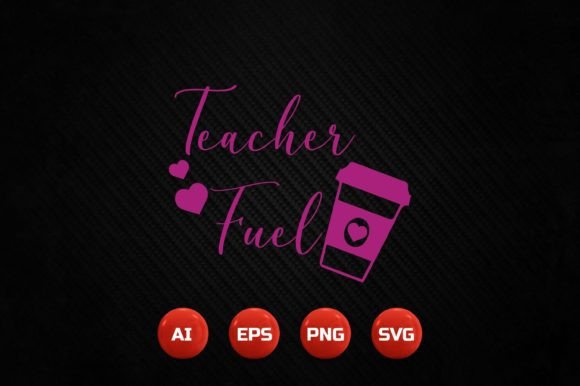
The design lands with warm, approachable energy—no frantic clipart energy here. The “Teacher Fuel” phrase anchors it, balanced by clean, rounded letterforms and subtle graphic accents (think chalk-dust swirls or tiny coffee cup silhouettes—not literal, but implied in the negative space). It’s not overly detailed, which is a relief. As an embroidery designer, I immediately scanned for trouble spots: tight corners, overlapping letters, micro-thin strokes. None present. What I saw instead was intentional breathing room—consistent stroke weight, open counters in the “e” and “o”, and generous spacing between words. That’s not accidental. It’s vector discipline—and it translates directly to cleaner satin stitch runs and fewer thread breaks on dense fills.
Where This Design Shines in Real Embroidery Projects
Back to School T-shirt Design 102 fits naturally into several high-demand categories without forcing itself:
- Custom apparel for educators: Works beautifully on cotton tees, lightweight sweatshirts, and even structured poplin shirts—especially when placed left-chest or center-front. The balanced width-to-height ratio avoids awkward stretching on curved hems.
- Embroidered tote bag design: Its moderate density holds up on canvas and duck cloth without excessive backing. I used medium cutaway stabilizer—no puckering, no distortion.
- Baby embroidery & nursery decor: When scaled down to 3.5" wide, the lettering remains legible on onesies and pillow covers. No tiny serifs or fragile connectors to vanish in fill stitch.
- Personalized gifts and boutique branding: Because it reads clearly in both black thread on ivory linen and white thread on navy twill, it supports cohesive gifting lines—think matching mugs, aprons, and tea towels—all anchored by the same visual voice.
Where Caution Is Required
This isn’t a one-size-fits-all embroidery file. Here’s where I slowed down:
- Caps and curved surfaces: The layout assumes a flat plane. On a structured cap front, the bottom curve of the text may compress slightly—test with a low-density fill first or adjust digitizing tension manually.
- Thin or stretchy fabric: While vector-resizable, shrinking Back to School T-shirt Design 102 below 2.75" risks losing clarity in satin-stitched letters. On jersey or rib knit, use tear-away + light cutaway combo and reduce stitch density by 10–15%.
- Dark fabric backgrounds: The design relies on contrast, not heavy underlay. If stitching on charcoal or navy, confirm your thread color has enough brightness—avoid pastel pinks or pale yellows unless you add white underlay (which increases stitch count).
- Frequent-wash items: Like all text-dominant machine embroidery designs, longevity depends on proper stabilizer choice and thread quality. Don’t skip the test run on scrap fabric that matches your final garment’s wash history.
Design Integrity Meets Commercial Practicality
As an Etsy seller and small shop product developer, I judge digital embroidery files not just by how they look—but by how they behave across ten different customer requests. Back to School T-shirt Design 102 holds up because it’s built for variation: easy color swaps mean I can offer “teacher blue,” “school spirit red,” or “neutral sage” without re-digitizing. The 100% vector shapes mean scaling from a 2" patch to a 6" sweatshirt chest design stays crisp—no pixelation, no jagged edges.
More importantly, it builds trust. When a parent orders a personalized gift for their child’s favorite educator, they’re buying warmth and recognition—not just thread on fabric. This design delivers that quietly. It doesn’t shout. It nods. And that subtle professionalism elevates the entire finished product—whether it’s a handmade embroidered patch sewn onto a backpack or a limited-run boutique sweatshirt.
Practical Notes Every Embroidery Designer Should Check
Before sending Back to School T-shirt Design 102 to your hoop—or listing it as part of your craft business inventory—run through this checklist:
- Test stitch on scrap fabric that matches your final project’s weight and texture.
- Review thread color contrast in both natural and artificial light—what reads well on screen may fade on dark fabric.
- Check stitch density visually: does the fill look solid but breathable, or overly dense and stiff?
- Confirm hoop size compatibility—some versions may require a 5x7" minimum; verify before batching.
- Inspect small details at actual stitch size: are inner curves smooth? Do letters separate cleanly?
- Try a black-and-white mockup—this reveals balance and legibility faster than color ever will.
- Compare performance on light vs. dark backgrounds using your intended thread palette.
- Use appropriate stabilizer: cutaway for knits, tear-away for stable wovens, fusible for lightweight linens.
- Verify licensing terms—especially if selling finished embroidered items or bundling this as part of a digital embroidery file collection.
Bottom line? Back to School T-shirt Design 102 is a thoughtful, production-ready asset—not flash-in-the-pan graphics, but reliable T-Shirt Designs built for repetition, adaptation, and real-world wear. It respects the craft behind embroidery and the care behind every handmade product. Use it with intention, test with honesty, and let its quiet confidence do the rest.