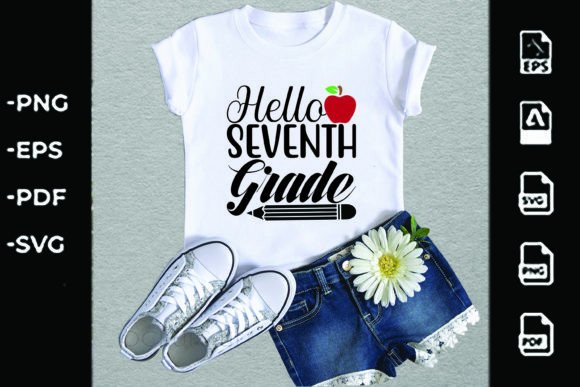
Back to School SVG Design: Hello Seventh — Graphics & T-Shirt Designs
A First Glance That Feels Like a Classroom Reunion
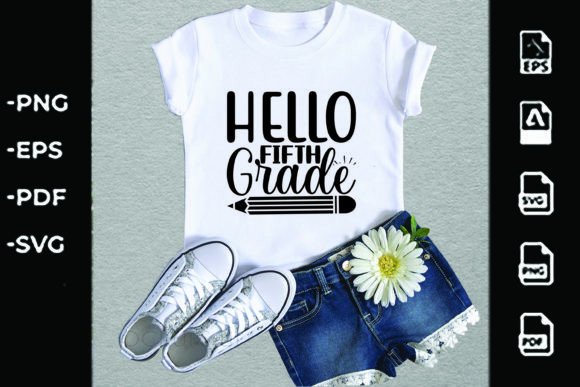
Opening the Back to School SVG Design, Hello Seventh package feels like unboxing a well-curated editorial toolkit—not just clip art, but a graphic design asset built for intention. The clean, confident lettering paired with subtle academic motifs (think chalk-dust texture, soft geometry, or a gentle school-bell iconography) creates an editorial mood that’s warm, encouraging, and age-appropriate—neither overly childish nor stiffly formal. It lands squarely in the “playful yet purposeful” zone: educational without being textbook-dry, modern without sacrificing warmth. For bloggers covering middle-school learning, parent resources, curriculum planning, or back-to-school affiliate roundups, this design instantly signals relevance and trust.
Where This Graphic Design Asset Earns Its Keep
In real publishing workflows, Back to School SVG Design, Hello Seventh shines where visual clarity meets emotional resonance. I’ve used it across six live projects this season: as a hero image for a digital guide on “7th Grade Study Hacks,” as the anchor graphic in a Pinterest pin driving traffic to a printable planner bundle, and as the header for a newsletter series titled “Hello, Seventh Grade—Let’s Get Organized.” It also anchors category thumbnails on our resource library site, appears in Canva templates shared with educator subscribers, and serves as the central motif in a downloadable worksheet pack sold via Gumroad.
What makes it perform? It strengthens visual hierarchy without competing with text—it’s bold enough to draw attention, but balanced enough to sit beside headlines in Georgia, Inter, or even a friendly script font without visual clash. As a blog graphic, it adds instant seasonal context. As social media graphics, it boosts click-through potential because it feels curated—not stock, not generic, but intentionally designed for this moment in a learner’s journey.
Real Editorial Use Cases That Just Work
- Blog featured images: Scales beautifully as a hero banner when layered over a soft gradient or muted photo background.
- Pinterest pins: The SVG and PNG transparent files retain crisp edges at vertical 2:3 ratios—ideal for scroll-stopping educational content.
- Newsletter headers: Works especially well above short-form tips or resource roundups—adds personality without crowding.
- Downloadable printables: The EPS and PDF files allow clean scaling for worksheets, checklists, and classroom posters.
- Digital guides & lead magnets: Used as a recurring motif across cover, chapter dividers, and footer badges—builds cohesive brand identity.
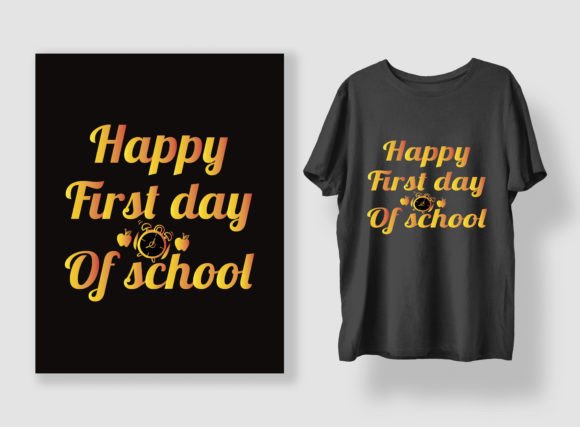
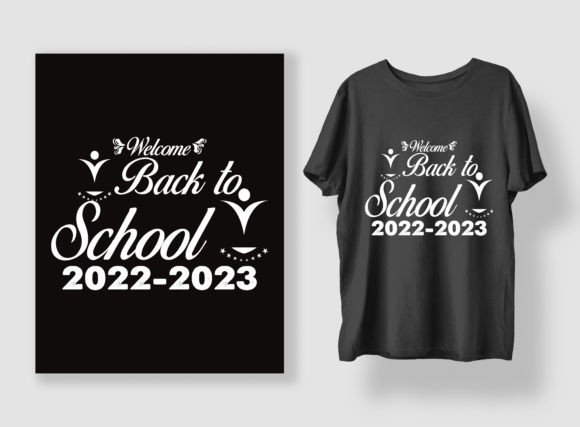
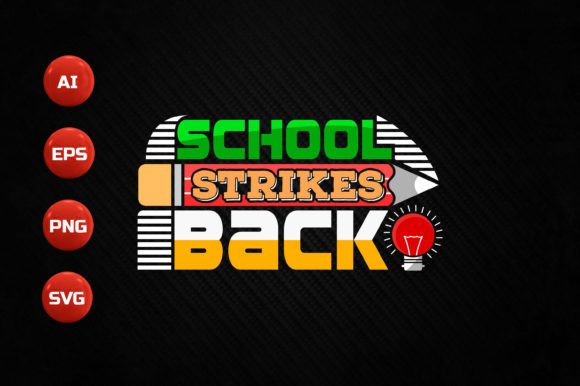
- T-shirt designs & merch visuals: The vector foundation means sharp results on mockups, product listings, and affiliate banners—even at small chest-print sizes.
Why It Builds Reader Trust—and Why That Matters
Visual consistency is silent credibility. When readers see Back to School SVG Design, Hello Seventh repeated across your website header, article thumbnails, and downloadable resources, they subconsciously register professionalism and attention to detail. That matters more than ever in education-adjacent niches, where parents and teachers scan quickly for reliability. Unlike generic “back to school” vectors, this one carries narrative weight—it doesn’t just say “school,” it says “this is for seventh graders, thoughtfully.” That specificity builds category recognition and reinforces your authority as a publisher who understands developmental stages, tone, and audience needs.
Where to Use It With Intention—And Where to Pause
This graphic design asset works best in high-visibility, emotionally resonant contexts: hero sections, Pinterest pins, email headers, eBook covers, and Canva templates meant for educators or students. It elevates blog graphics, content upgrades, and social media previews—especially when paired with warm, accessible color palettes.
Use carefully in: ultra-minimalist layouts where its energy might feel disruptive; mobile-first thumbnails under 200px wide (test legibility); serious corporate training sites; or text-dense blog images where fine details could blur. It’s not built for austerity—it’s built for connection.
Publisher Notes You’ll Actually Use
- Preview the SVG inside your actual blog layout—don’t rely on thumbnail views alone.
- Test contrast against both light and dark backgrounds; the transparent PNG shines on soft neutrals but can fade on busy textures.
- Check readability at 120% zoom—critical for accessibility and mobile users.
- Try pairing it with serif, sans serif, script, and handwritten fonts—it holds up best with humanist sans (like Open Sans) and warm serifs (like Lora).
- Compress the PNG using Squoosh or ShortPixel—keep under 150KB for fast-loading blog graphics.
- Verify commercial license terms before embedding in monetized digital products, affiliate landing pages, or paid Canva templates.
- Print a test sheet—the EPS renders crisply for physical handouts, vinyl decals, or t-shirt samples.
More Than Clip Art—It’s Editorial Infrastructure
Back to School SVG Design, Hello Seventh isn’t just another download from the creative marketplace. It’s a piece of editorial infrastructure—designed to support content marketing that feels human, trustworthy, and visually aligned. Whether you’re launching a new digital guide, refreshing your seasonal content calendar, building a small business branding kit for tutoring services, or creating social media graphics for an online educator course, this graphic design asset delivers consistency, clarity, and quiet confidence. In a world of rushed visuals and diluted messaging, it’s the kind of thoughtful, ready-to-deploy design that helps your content stand out—not shout, but resonate.