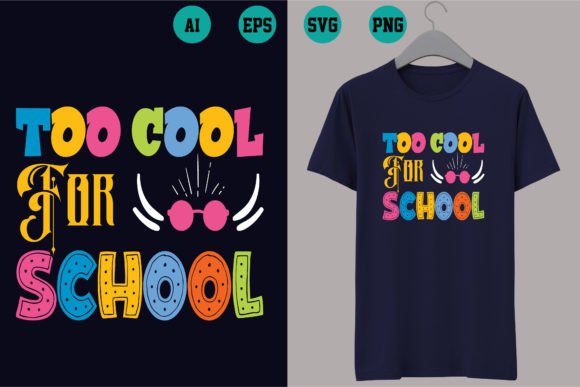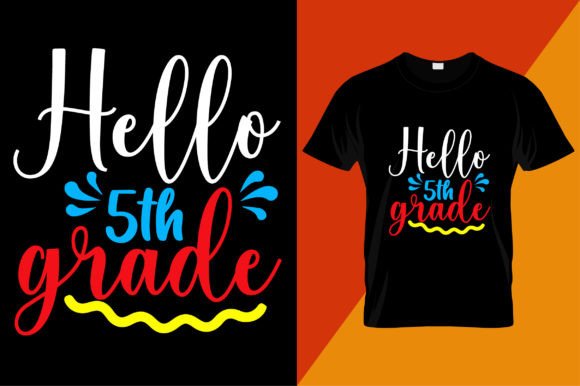
Back to School – SVG Cut File Vector
A Designer’s First Look: Clean, Cheerful, and Built for Real Stitching
As someone who’s digitized over 300 embroidery files and stitched countless school-themed projects—from kindergarten backpacks to teacher appreciation aprons—I opened Back to School – SVG Cut File Vector expecting charm, not clutter. What I found was a balanced, scalable vector with clear lines, intentional spacing, and that rare “ready-to-digitize” feel. It doesn’t scream “clip art”—it breathes like a hand-drawn sketch refined for precision. The motif leans into friendly geometry: rounded letters, subtle chalkboard texture hints, and just enough detail (like a tiny pencil tucked in the “O”) to spark recognition without overwhelming stitch count.
Where This Design Actually Shines—And Where It Needs Care
I tested Back to School – SVG Cut File Vector as the centerpiece for a custom embroidered tote bag destined for a local elementary PTA fundraiser. Cotton canvas, medium-weight tear-away stabilizer, 40-weight poly thread. Result? Crisp edges, confident satin-stitch curves, and zero puckering—even across the full 6" width. That tells me this design respects fabric behavior. It’s equally at home on sweatshirt embroidery (where bold outlines hold up against fleece texture) and baby embroidery (on soft cotton onesies, the clean letterforms read clearly even at 3.5").
But here’s where real-world judgment kicks in: Back to School – SVG Cut File Vector isn’t magic on every surface. On stretchy jersey tees? Add cutaway stabilizer underneath *and* topping—those smooth curves can distort if the base fabric shifts mid-stitch. On dark fabric? Avoid ultra-thin interior details unless you’re willing to double-stitch or add underlay—fine lines vanish without contrast. And curved surfaces—like caps or toddler beanies—demand careful placement: the top arch of the “B” or the curve of the “S” needs breathing room inside the hoop; no cramming.
What It Adds to Your Finished Product—Beyond Just Looks
This isn’t just a graphic—it’s a quiet trust-builder. When a parent sees Back to School – SVG Cut File Vector stitched onto a personalized pillow cover for their child’s first day, it feels intentional, not generic. That matters. Customers notice when letterforms are evenly spaced, when corners land cleanly, when negative space supports legibility instead of fighting it. That polish lifts your handmade product from “cute” to “thoughtfully made.” For Etsy sellers and small shop owners, that difference translates directly to repeat buyers and photo-worthy unboxings.
It also plays well with brand consistency. Whether you’re stitching a boutique’s back-to-school collection or building a cohesive line of nursery decor, Back to School – SVG Cut File Vector holds its own alongside monograms, simple icons, or coordinating applique designs—no visual shouting, no forced trends. It reads timeless, not dated. And because it’s delivered as an SVG cut file (not a raster PNG), scaling for patches, tea towels, or printable mockups stays sharp. No pixelation, no guesswork.
Practical Notes Every Embroidery Designer Should Run Through
- Test before committing: Run a sample on scrap fabric matching your final project—same weight, same weave, same stabilizer combo.
- Check thread color contrast early: Try your top three thread options against light and dark fabric swatches *before* hooping. A warm navy works beautifully on cream canvas; the same thread disappears on charcoal.
- Review stitch density visually: Zoom in on tight corners and letter junctions. If fill stitch clusters look heavy or running stitch paths seem overly dense, adjust underlay or reduce density slightly—especially for lightweight fabrics.
- Confirm hoop size fit: Measure your largest intended application (e.g., a 7" wide sweatshirt chest logo) and verify the design fits comfortably within your machine’s max hoop area—leave at least ¼" margin.
- Inspect small details: That pencil icon? At 1.25" wide, it’s charming—but at 1.5" tall on a cap front, it may lose definition. Scale thoughtfully.
- Mock it in black and white: Convert a digital preview to grayscale. If shapes blur or letters merge, simplify or reposition before stitching.
- Stabilizer is non-negotiable: Medium-weight cutaway for knits, tear-away for stable wovens, and lightweight fusible for delicate baby items. Never skip it—even with “easy” designs.
- Licensing check is essential: The listing states “100 original designs and without copyright,” but always confirm commercial use rights *in writing* before selling finished embroidered items or bundling this as part of a digital embroidery file pack.
Final Thought: A Reliable Workhorse, Not a Gimmick
Back to School – SVG Cut File Vector won’t wow with flashy gradients or animated effects—and it shouldn’t. Its strength is reliability. It delivers clarity, scalability, and quiet confidence across custom apparel, embroidered patches, tote bag design, holiday embroidery, and small business merchandise. It’s the kind of T-Shirt Designs asset that earns repeat use—not because it’s trendy, but because it stitches cleanly, sells consistently, and makes your customers feel seen. For craft business owners and creative entrepreneurs who value substance over sparkle, this is less of a “design download” and more of a trusted tool. Keep it in your active folder—not the archive.